=
![[object Object]](https://naturallyhealthy.alodi.net/wp-content/uploads/2026/01/GOODBYE-SUGAR-2026-01-17T162457.458.png)
Have you ever stood up from a chair and felt your legs wobble more than they used to? Or noticed that carrying a basket of laundry leaves your arms tired faster than before? These small changes can feel frustrating and even a little scary. The truth is, they often point to something deeper than just “getting older”—and the most encouraging part is that you still have a lot of control over what happens next.
What Exactly Is Sarcopenia?
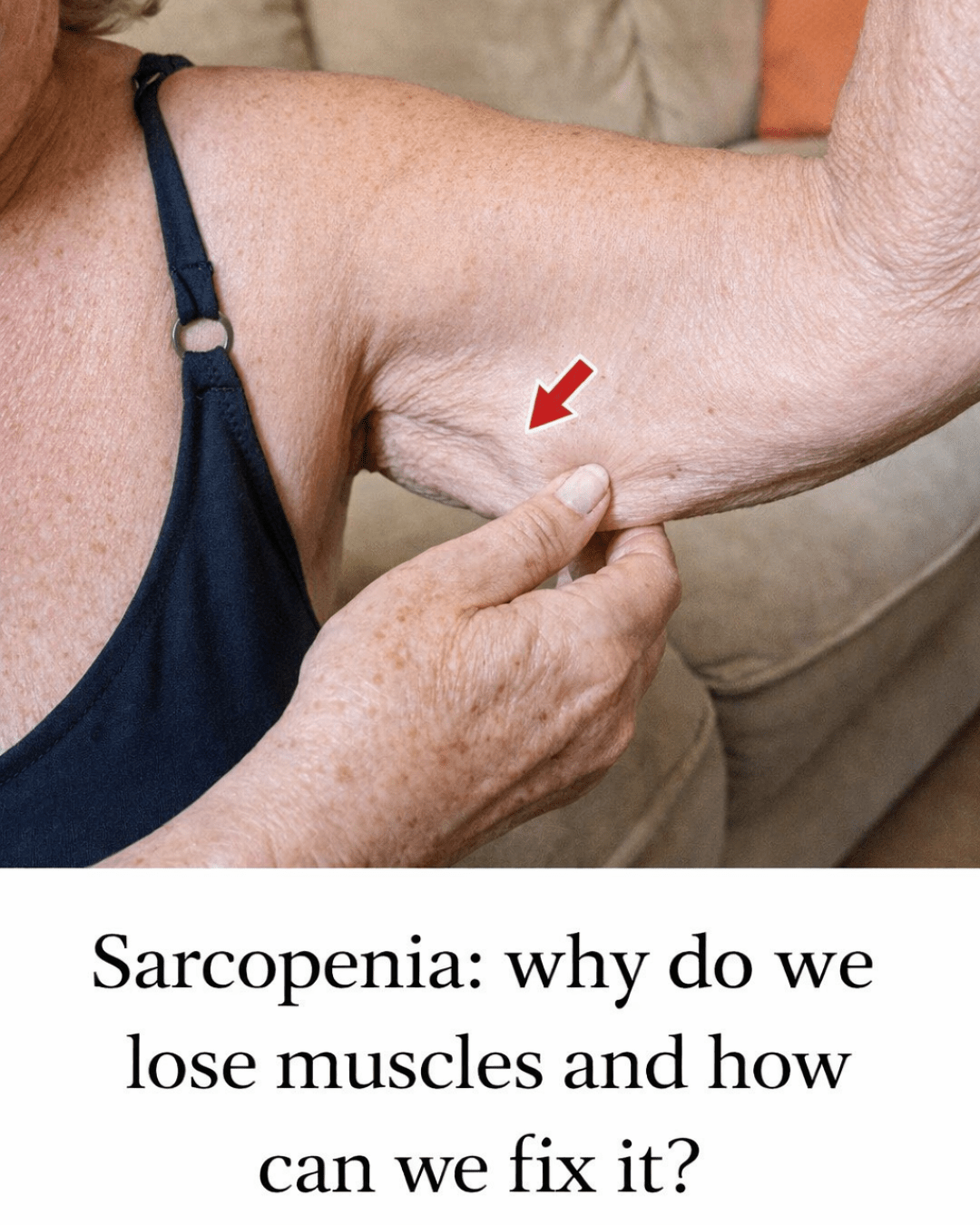
Sarcopenia is the gradual loss of muscle mass, strength, and function that tends to speed up after age 50. It’s now recognized by major medical organizations as a distinct health condition—not just an unavoidable part of aging.
When muscle mass drops, everyday activities become harder. Balance suffers, metabolism slows, and the risk of falls goes up. Research published in the Journal of the American Medical Directors Association shows that people with sarcopenia are two to three times more likely to experience mobility limitations.
The good news? Studies, including large reviews in The Lancet and Age and Ageing, consistently show that lifestyle changes can slow this process dramatically—and in many cases help people regain meaningful strength even in their 70s and 80s.

When Does Muscle Loss Actually Start?
Most people think muscle loss only happens in “old age,” but the process can begin as early as your 30s. On average, adults lose 3–8% of muscle mass per decade after age 30, and the rate often doubles after 60.
Here are the biggest drivers researchers have identified:
- Natural drop in anabolic hormones (testosterone, growth hormone, IGF-1)
- Reduced ability of muscles to use protein efficiently
- Chronic low-grade inflammation (“inflammaging”)
- Less physical activity and prolonged sitting
- Inadequate protein and key nutrient intake
- Certain medications and underlying health conditions
The more of these factors present, the faster muscle disappears.
Everyday Signs That Your Muscles Need Attention
You don’t need fancy scans to notice the early clues. Pay attention if you experience:
- Needing to push off the armrests to stand up
- Feeling winded after one flight of stairs
- Clothes fitting looser around the arms or thighs
- Dropping things more often or feeling “weaker” grip
- Walking slower than you did a couple of years ago
- Unusual tiredness that rest doesn’t fully fix
Catching these signals early makes a huge difference.
How to Protect and Build Muscle—Starting Today
The foundation is surprisingly simple: give your body two things it needs to keep (or rebuild) muscle—regular movement and the right fuel.
1. Move in Ways That “Remind” Your Body to Keep Muscle
Your muscles stay strong only when they’re asked to work. Here are practical ways to do that every single day:
- Take a brisk 15–20 minute walk (or two 10-minute walks)
- Do 2–3 sets of body-weight squats or sit-to-stands while brushing your teeth
- Use light dumbbells or resistance bands 2–3 times per week
- Climb stairs instead of taking the elevator when possible
- Try simple wall push-ups or seated leg lifts while watching TV
Research from the Journal of Gerontology shows that even light resistance training two to three times a week can increase muscle mass in adults over 65 within 12 weeks.

2. Eat Enough Protein—And Spread It Throughout the Day
Older adults need more protein than younger people because the body becomes less efficient at using it. A safe target backed by the PROT-AGE study group is 1.2–1.6 grams of protein per kilogram of body weight daily.
For a 70 kg (154 lb) person, that’s roughly 84–112 grams per day.
Easy ways to hit the target:
- Breakfast: Greek yogurt + berries + a spoonful of nuts
- Lunch: Grilled chicken or fish + lentils or beans
- Snack: Cottage cheese or a hard-boiled egg
- Dinner: Salmon, tofu stir-fry, or lean beef with vegetables
Spreading protein across meals (25–30 g per meal) works better than loading it all at dinner.
3. Don’t Forget These Muscle-Supporting Nutrients
- Vitamin D – helps muscles contract properly (sunlight + fortified foods or supplements if levels are low)
- Omega-3 fatty acids – reduce inflammation (fatty fish, walnuts, chia seeds)
- Creatine – naturally found in red meat; supplements are well-studied and safe for most people
- Magnesium and potassium – support muscle and nerve function
Staying hydrated is also crucial—dehydration makes muscles feel weaker and more fatigued.
A Surprising Fact Most People Don’t Realize
Here’s the part that still amazes researchers: your age on the calendar does not set a hard limit on how much strength you can regain.
A 2023 meta-analysis in Sports Medicine looked at adults aged 65–95 who started resistance training. On average, they increased muscle mass by 1–2 kg and strength by 25–40% in just 3–6 months. Some participants in their 90s doubled their leg strength.
Your muscles are still listening—they just need the right message.
Quick-Start 7-Day Plan You Can Begin Tomorrow
Day 1–2: Walk 15 minutes twice a day + add one protein-rich food to every meal Day 3–4: Add 2 sets of 10 sit-to-stands and 10 wall push-ups Day 5–7: Include fatty fish or a handful of walnuts twice this week
That’s it. Small, consistent actions compound faster than you think.
Frequently Asked Questions
At what age does sarcopenia usually start?
It can begin in the 30s, but most people notice meaningful changes after 50–60 if preventive habits aren’t in place.
Can you regain lost muscle after 70?
Yes. Numerous studies show significant strength and muscle gains are possible at any age with consistent resistance exercise and adequate protein.
How much protein do older adults really need?
Most experts recommend 1.2–1.6 g per kg of body weight daily, spread across meals, especially when combined with exercise.
Final Thought
Getting older doesn’t have to mean getting weaker. Every step you take, every bite of protein-rich food, and every small resistance exercise sends a clear message to your body: “We still need these muscles.” Start with one or two changes today—your future self will thank you.
Disclaimer: This article is for informational purposes only and is not a substitute for professional medical advice. Please consult your healthcare provider before making significant changes to diet or exercise, especially if you have existing health conditions.