=
![[object Object]](https://naturallyhealthy.alodi.net/wp-content/uploads/2026/01/GOODBYE-SUGAR-2026-01-16T142540.259-1.png)
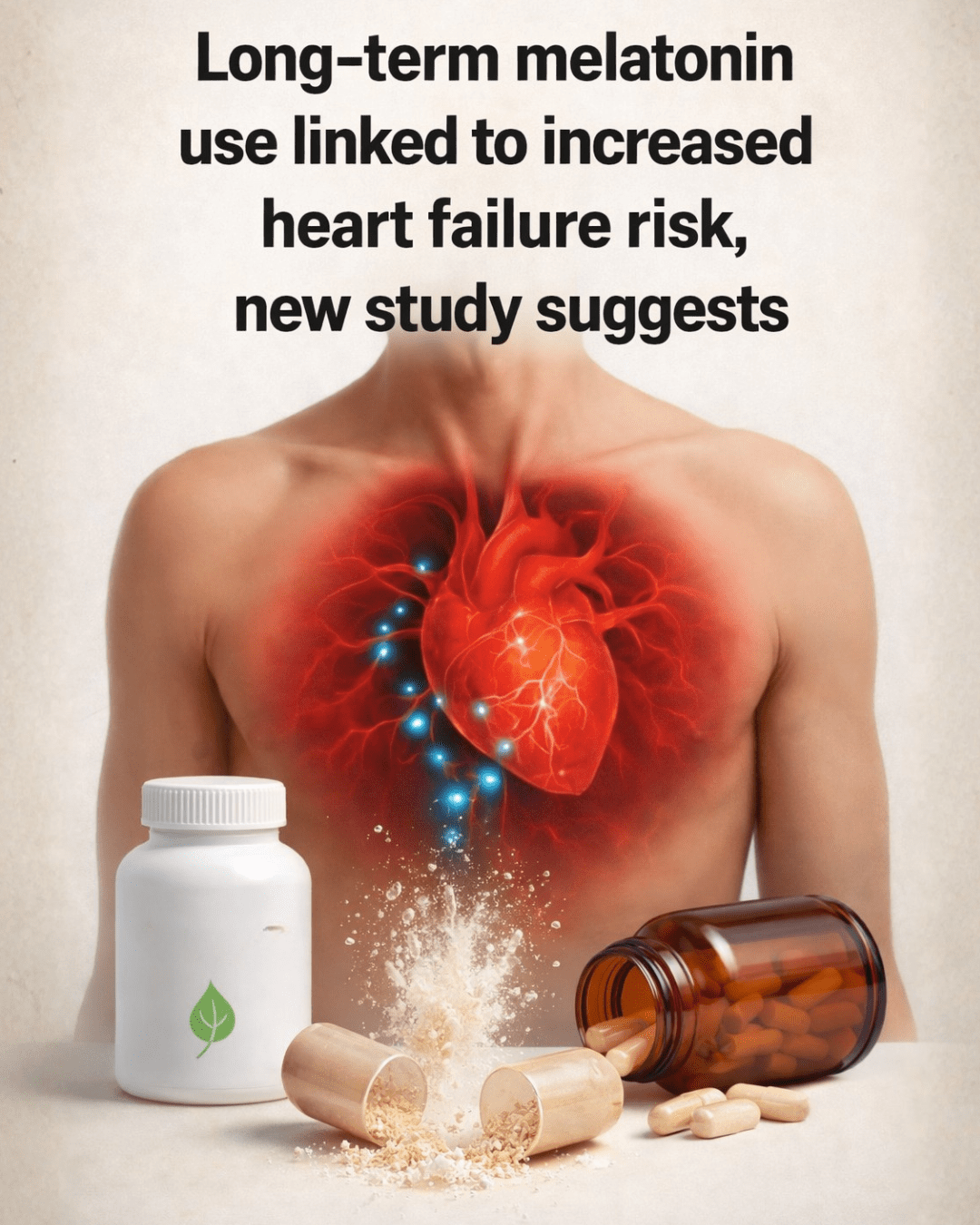
A recent preliminary study presented at the American Heart Association’s Scientific Sessions 2025 has sparked discussion about the potential risks of using melatonin supplements over an extended period. Researchers analyzed health records from over 130,000 adults with chronic insomnia and found an association between taking melatonin for at least a year and higher odds of developing heart failure, needing hospitalization for the condition, or facing an increased risk of death from any cause. Importantly, this observational data does not establish that melatonin directly causes these issues—experts stress it highlights the need for caution rather than immediate alarm.
Many people turn to melatonin as a go-to option for better sleep, especially when nights feel endless and fatigue builds up day after day. The frustration of poor sleep can feel overwhelming, quietly affecting energy, mood, and overall well-being. But what if relying on this popular supplement long-term might signal—or connect to—deeper concerns? In this article, we’ll break down the study’s key insights, what the findings really mean, and practical steps to support healthier sleep habits. Stick around until the end for expert-backed tips that could help you rethink your routine in a surprising way.
What the New Study Actually Found
A large-scale review of electronic health records looked at adults diagnosed with insomnia. Researchers compared those who had documented melatonin use for 365 days or more against matched individuals who did not use it.
- Long-term melatonin users showed nearly double the hazard (about 89% higher) of being diagnosed with heart failure over five years.
- They faced over three times the likelihood of hospitalization related to heart failure.
- All-cause mortality during the follow-up period was roughly doubled.
The absolute numbers remained relatively low: around 4.6% of melatonin users developed heart failure compared to 2.7% in the non-user group. The study carefully matched participants on factors like age, other health conditions, medications, and vital signs to reduce bias.
But here’s the crucial part: this is an association, not proof of causation. Researchers themselves noted the data cannot confirm melatonin directly harms the heart.
Why the Link Might Appear (And Why It’s Not Straightforward)
Insomnia itself is a known risk factor for cardiovascular problems. Ongoing sleep difficulties can raise blood pressure, elevate stress hormones like cortisol, and promote inflammation—all contributors to heart strain over time.
Experts suggest the need for long-term melatonin could reflect underlying issues, such as more severe insomnia or even undiagnosed conditions that disrupt sleep and affect heart health. In other words, the supplement might be a marker rather than the culprit.

The study has limitations too:
- It relied on records of prescribed melatonin (not over-the-counter use, which is common in places like the U.S.).
- It focused only on adults with chronic insomnia.
- Findings come from a preliminary abstract, not yet fully peer-reviewed or published as a complete paper.
Previous research has sometimes pointed to potential benefits of melatonin for heart health in certain contexts, like its antioxidant properties. This new data contrasts with those findings and calls for more investigation.
Key Takeaways from Experts
Health professionals emphasize balance and awareness:
- Melatonin is widely viewed as a natural sleep aid, but long-term cardiovascular safety data remain limited.
- Quality sleep supports heart health—poor sleep patterns link to higher risks of hypertension, heart events, and more.
- Over-the-counter supplements vary in purity and dosage, adding another layer of uncertainty.
If you’ve been using melatonin nightly for over a year, this study serves as a gentle nudge to reassess. Many sources, including reports from The Washington Post and NBC News, highlight that experts advise against panic but recommend professional guidance.

Actionable Steps to Support Better Sleep Without Relying Solely on Supplements
Improving sleep often starts with habits rather than pills. Here are evidence-based strategies you can try right away:
- Establish a Consistent Routine
Go to bed and wake up at the same time daily—even on weekends. This strengthens your body’s natural clock. - Create a Sleep-Friendly Environment
Keep your bedroom cool, dark, and quiet. Limit screens at least an hour before bed to reduce blue light exposure. - Wind Down Mindfully
Try relaxation techniques like deep breathing, gentle stretching, or reading a physical book. Avoid heavy meals, caffeine, or intense exercise close to bedtime. - Address Insomnia at Its Root
If sleep troubles persist, consider cognitive behavioral therapy for insomnia (CBT-I)—widely regarded as a first-line approach with strong evidence for long-term results. - Talk to Your Doctor
Discuss your sleep patterns and any supplement use. They can check for underlying issues like sleep apnea, thyroid problems, or heart-related concerns.
But that’s not all—small tweaks can add up quickly. For example, getting natural daylight in the morning helps regulate melatonin production naturally.
Comparing Short-Term vs. Long-Term Approaches to Sleep Support
| Aspect | Short-Term Use (Occasional) | Long-Term Daily Use |
|---|---|---|
| Common Purpose | Jet lag, occasional sleepless nights | Chronic insomnia management |
| Potential Benefits | Helps reset sleep cycle | May provide ongoing relief |
| Cardiovascular Notes | Generally low concern | Association with higher heart risks in some data (observational) |
| Expert Recommendation | Often fine | Consult provider; explore alternatives |
Final Thoughts
This emerging research reminds us that even “natural” options deserve thoughtful use, especially over months or years. While melatonin remains popular and can help many in the short term, prioritizing sustainable sleep habits and professional advice offers the best path forward for heart and overall health.
FAQ
Is it safe to take melatonin every night?
For short periods, many people use it without issues, but long-term daily use lacks extensive safety data for heart health. Experts suggest consulting a healthcare provider if it’s become a nightly habit.
Should I stop melatonin immediately after reading this?
No abrupt changes—talk to your doctor first. They can help weigh your personal situation and suggest alternatives if needed.
Does poor sleep alone increase heart risks?
Yes, chronic insomnia links to higher chances of high blood pressure, inflammation, and cardiovascular events. Improving sleep quality benefits heart health regardless of supplements.
Disclaimer: This article is for informational purposes only and does not constitute medical advice. Always consult a qualified healthcare professional before starting, stopping, or changing any supplement or treatment regimen, especially if you have existing health conditions