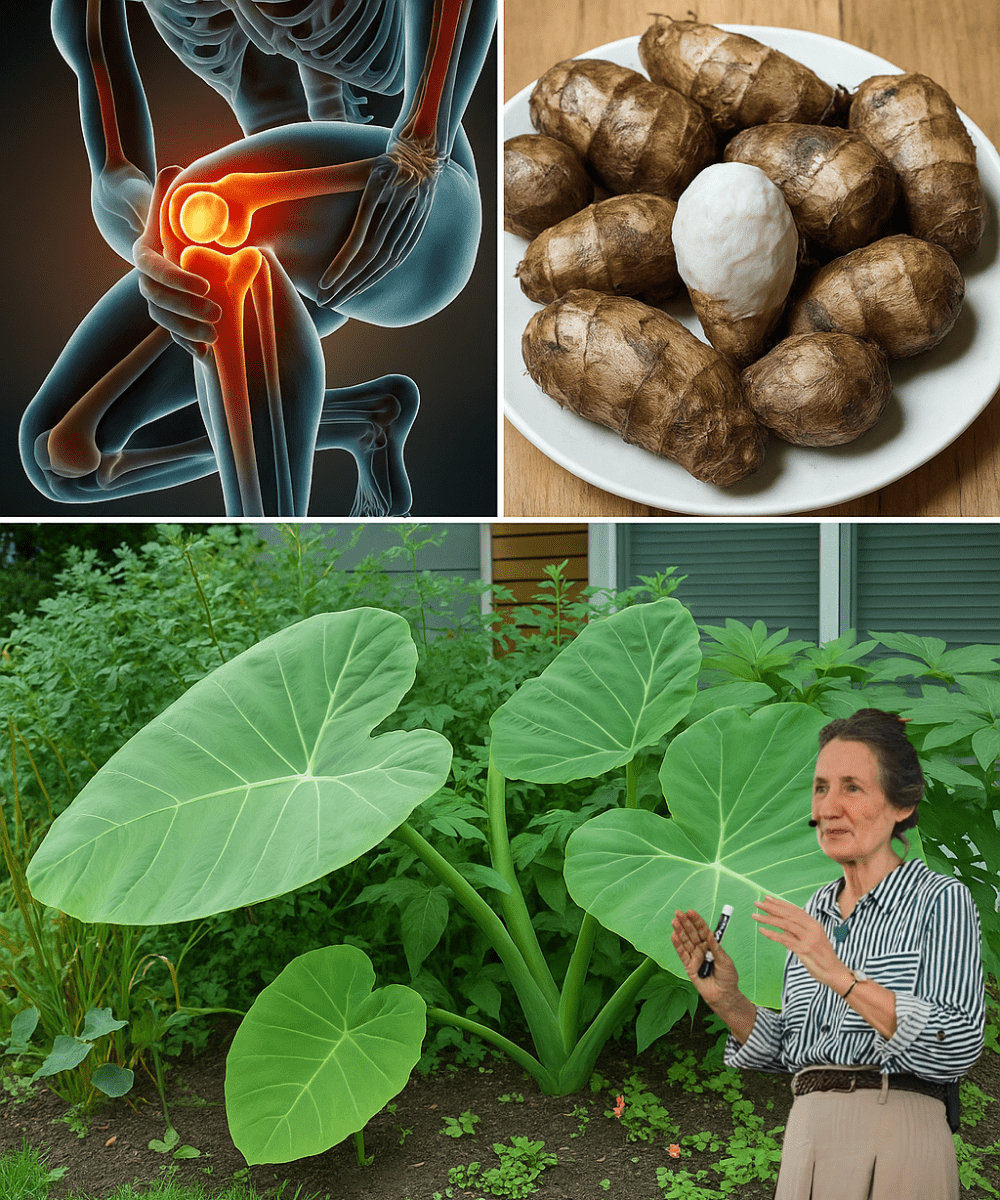
What if a single plant could nourish your body, delight your taste buds, and contribute to a more sustainable world? Meet taro (Colocasia esculenta), an ancient root vegetable that’s been a cornerstone of diets for over 10,000 years. Far from just another starchy crop, taro is a nutritional powerhouse, a culinary chameleon, and a symbol of resilience. From its nutrient-rich roots to its vitamin-packed leaves, taro offers a wealth of benefits that can transform your health and inspire your kitchen creativity. 🌟 Ready to discover why this humble plant is being hailed as a superfood? Let’s dive into the magic of taro and how it can elevate your wellness and meals.
🕰️ A Rich History of Nourishment
Taro’s story begins thousands of years ago in Southeast Asia, where it was first cultivated as a staple crop. From there, it spread across the Pacific Islands, Africa, and the Caribbean, earning names like kalo in Hawaii, dasheen in the Caribbean, and arbi in South Asia. Revered for its ability to thrive in challenging conditions—like wetlands and poor soils—taro has sustained communities through centuries of environmental and cultural shifts. Its deep roots in tradition make it more than food; it’s a cultural icon symbolizing life, fertility, and resilience in many societies.
🥔 The Nutritional Powerhouse of Taro Root
Taro root is a treasure trove of nutrients, earning its place as a superfood that rivals even the trendiest health foods. Packed with essential vitamins, minerals, and fiber, it offers a wide range of benefits that support your body from head to toe. Here’s what makes taro root a nutritional gem:
⚡ Sustained Energy with Complex Carbohydrates
Taro is rich in complex carbohydrates, providing a steady source of energy that keeps you fueled throughout the day. Unlike simple carbs that cause energy spikes and crashes, taro’s slow-digesting carbs ensure long-lasting vitality, making it ideal for active lifestyles.
🧹 High Fiber for Digestive Health
With its impressive fiber content, taro promotes smooth digestion, helps regulate blood sugar, and supports weight management by keeping you full longer. A healthy gut is the foundation of overall wellness, and taro delivers.
🌟 Packed with Essential Nutrients
Taro root is loaded with vital nutrients, including:
Vitamin C: Boosts immunity and supports glowing skin.
Vitamin E: Fights oxidative stress and promotes skin and heart health.
Potassium: Regulates blood pressure and supports muscle function.
Magnesium and Manganese: Strengthen bones and enhance energy metabolism.
❤️ Low-Fat and Heart-Healthy
Naturally low in fat, taro is a heart-friendly food that fits seamlessly into any balanced diet. Its nutrient profile supports cardiovascular health without adding unnecessary calories.
🌾 Gluten-Free Versatility
For those with gluten sensitivities, taro is a game-changer. Its starchy texture makes it a perfect substitute for wheat-based staples in everything from breads to desserts, offering a nutrient-dense alternative without compromising flavor.
🍃 The Hidden Gem: Taro Leaves
While the root often steals the spotlight, taro leaves are a nutritional powerhouse in their own right. Rich in vitamins A and C, iron, and calcium, they’re a fantastic addition to a healthy diet. When properly cooked to neutralize calcium oxalate crystals, taro leaves become tender and flavorful, perfect for a variety of dishes. Their versatility and nutrient density make them a must-try for anyone looking to boost their wellness.
💪 Taro’s Remarkable Health Benefits
Taro’s benefits extend far beyond basic nutrition, offering targeted support for your body’s most vital systems. Here’s how this superfood can transform your health:
❤️ Supports Heart Health
Taro’s potassium and fiber work together to keep your heart in top shape. Potassium helps regulate blood pressure, while fiber lowers LDL (bad) cholesterol, reducing the risk of heart disease and promoting long-term cardiovascular wellness.
⚖️ Manages Blood Sugar
With its low glycemic index and resistant starch, taro is an excellent choice for stabilizing blood sugar levels. This makes it a smart addition for those managing diabetes or aiming to prevent blood sugar spikes.
🛡️ Boosts Immunity
Taro’s antioxidants, including vitamin E and beta-carotene, fight free radicals and strengthen your immune system. Regular consumption helps your body ward off infections and stay resilient year-round.
🌸 Enhances Skin Health
The vitamin E and C in taro support skin repair, reduce signs of aging, and promote a radiant complexion. By combating oxidative stress, taro helps keep your skin looking youthful and healthy.
🦴 Promotes Bone and Muscle Health
With high levels of calcium, magnesium, and manganese, taro strengthens bones and supports muscle function, making it ideal for active individuals or those looking to maintain mobility as they age.
🍽️ Culinary Magic: How to Enjoy Taro
Taro’s mildly sweet, nutty flavor and versatile texture make it a star in both savory and sweet dishes. From comforting classics to creative innovations, here are the best ways to incorporate taro into your meals:
🥣 Boiled or Steamed Taro
Simple yet delicious, boiling or steaming taro retains its nutrients and pairs perfectly with dips, sauces, or a sprinkle of herbs. It’s a wholesome side dish that’s easy to prepare.
🍟 Fried or Roasted Taro
Craving a crispy snack? Taro fries or chips are a healthier alternative to potato-based options, offering a satisfying crunch with a nutty flavor.
🥄 Taro Mash
Blend boiled taro into a creamy mash for a comforting side dish that rivals mashed potatoes. Add a touch of butter or coconut milk for extra richness.
🍲 Curries and Soups
Taro’s ability to absorb flavors makes it a perfect base for hearty curries, stews, and soups. It adds texture and nutrition to any dish.
🍰 Taro in Desserts
In many cultures, taro shines in sweets. Try it in taro ice cream, cakes, puddings, or even bubble tea for a unique, delicious treat.
🥬 Taro Leaves in Dishes
Cook taro leaves to unlock their potential:
Laing: A Filipino favorite, simmered in coconut milk with spices.
Stuffed Leaves: Wrap rice, vegetables, or meat in taro leaves for a flavorful meal.
Soups and Stews: Add chopped leaves to broths for a nutrient boost.
👉 Pro Tip: Always cook taro roots and leaves thoroughly to neutralize calcium oxalate crystals, which can irritate the skin or throat if consumed raw.
🌱 Taro in Traditional Medicine
Taro’s healing properties have been celebrated in traditional medicine for centuries:
Ayurveda: Taro paste is used topically to soothe wounds and skin conditions.
Pacific Island Cultures: Taro is revered for its spiritual and healing properties, often symbolizing life and vitality.
Traditional Chinese Medicine: Taro is valued for strengthening the spleen and improving digestion.
These time-tested uses highlight taro’s role as more than just food—it’s a natural remedy with deep cultural roots.
🌍 Taro and Sustainability
Taro isn’t just good for your body; it’s good for the planet. This resilient crop thrives in wetlands and poor soils, making it a sustainable food source for communities facing climate challenges. Every part of the plant—roots, leaves, and stems—can be used, minimizing waste and supporting eco-friendly food systems. By choosing taro, you’re nourishing yourself while contributing to a more sustainable future.
🥗 How to Start Using Taro Today
New to taro? Begin with simple recipes like boiled taro or taro soup to get a feel for its flavor and texture. As you grow comfortable, experiment with taro fries, mashed taro, or even taro-based desserts. For a gluten-free twist, try taro flour in baking for nutrient-dense breads or pancakes. With its versatility, taro fits into any diet, from vegan to heart-healthy to gluten-free.
⚠️ Safety Precautions
Taro is safe and beneficial when prepared correctly, but keep these tips in mind:
Cook Thoroughly: Raw taro contains calcium oxalate crystals, which can cause irritation. Always boil, steam, or roast before eating.
Start Small: If you’re new to taro, introduce it gradually to ensure your body tolerates it well.
Consult a Professional: If you have kidney issues or oxalate sensitivities, check with a healthcare provider before consuming taro.
Choose Quality: Opt for fresh, organic taro to avoid pesticides and ensure maximum nutrition.
🚀 Why Taro Is Your New Superfood
Taro is more than a root vegetable—it’s a nutritional, culinary, and cultural treasure. Its ability to nourish your body, inspire your meals, and support sustainability makes it a true superfood for the modern world. Whether you’re seeking better heart health, stable blood sugar, or simply a delicious new ingredient, taro delivers. Backed by thousands of years of tradition and a growing body of research, this ancient crop is ready to transform your health and plate.
🌈 Ready to Embrace Taro’s Magic?
Don’t let taro’s humble appearance fool you—this superfood is a powerhouse waiting to be unlocked. Start with a simple recipe, savor its unique flavor, and discover why taro has been cherished for millennia. Your body, your taste buds, and the planet will thank you.
Disclaimer: This article is for informational purposes only and does not replace professional medical advice. Consult a healthcare provider before adding taro to your diet, especially if you have medical conditions or sensitivities.
Inspired by taro’s incredible potential? Share this article with friends and family to spread the word about this ancient superfood!