=
![[object Object]](https://naturallyhealthy.alodi.net/wp-content/uploads/2026/01/DRINK-THIS-EVERY-DAY-2-1.png)
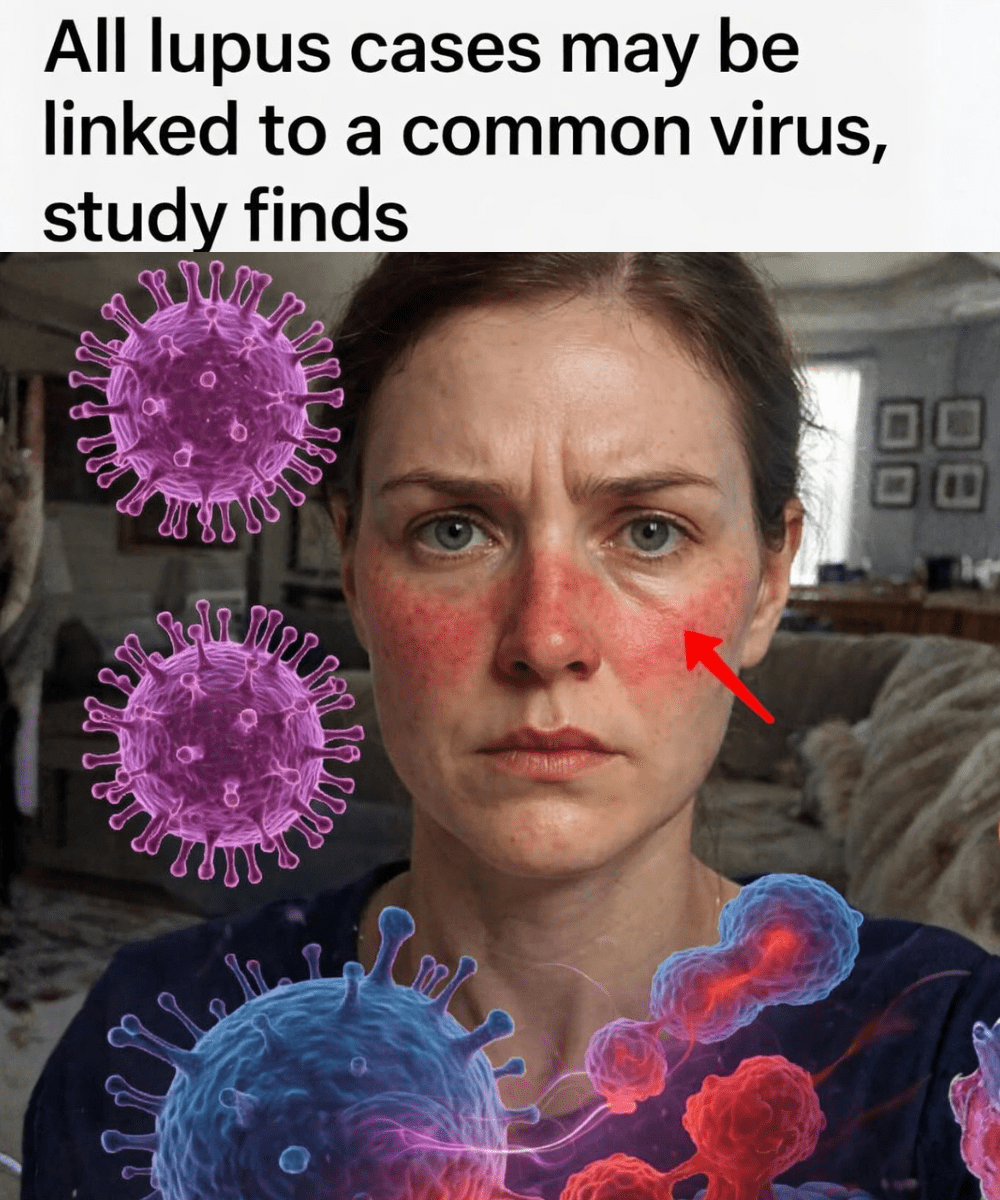
Living with lupus can feel overwhelming — the unpredictable flares, the joint pain, the fatigue that never seems to lift, and the constant uncertainty about what triggers it all. For years, researchers have searched for answers, knowing genetics, hormones, and environment play roles, yet the exact starting point has remained a mystery. Now, a groundbreaking study from Stanford Medicine, published in November 2025, offers compelling new insights: the Epstein-Barr virus (EBV), a very common virus that infects most people at some point in life, appears to play a key role in triggering the autoimmune response seen in lupus.
This discovery doesn’t change overnight how lupus is managed, but it brings fresh hope by shedding light on potential future directions — and there’s more to uncover as you read on.
What Is Lupus and Why Has Its Cause Been So Hard to Pinpoint?
Systemic lupus erythematosus (SLE), commonly known as lupus, is a chronic autoimmune condition where the immune system mistakenly attacks healthy tissues. This can lead to inflammation affecting the skin, joints, kidneys, heart, lungs, blood cells, and even the brain. Symptoms vary widely from person to person, making it challenging to predict or control.
For decades, experts suspected a mix of factors:
- Genetic predisposition
- Hormonal influences (lupus affects women more often)
- Environmental triggers like UV light, stress, or infections
While EBV has long been on the radar — due to its association with other autoimmune conditions — the precise connection stayed unclear until recent advances.

Understanding the Epstein-Barr Virus (EBV)
EBV is one of the most widespread viruses on earth. By adulthood, more than 90-95% of people have been infected, often during childhood or teenage years through saliva (think sharing drinks or kissing). It causes infectious mononucleosis (“mono”) in some, but for most, the infection is mild or goes unnoticed. After the initial phase, EBV remains dormant in the body, hiding in B cells — a type of white blood cell central to the immune response.
In healthy individuals, this latent presence rarely causes problems. But new research suggests that in people genetically susceptible to lupus, EBV can do something much more disruptive.
How EBV May Trigger Lupus — The Breakthrough Mechanism
The 2025 Stanford study, led by researchers including William Robinson, MD, PhD, used advanced single-cell RNA sequencing to examine B cells from people with lupus and healthy controls. Here’s what they found:
- EBV-infected B cells were significantly more common in lupus patients (about 1 in 400 B cells) compared to healthy people (fewer than 1 in 10,000).
- The virus appears to preferentially infect “autoreactive” B cells — those already capable of producing antibodies against the body’s own tissues.
- EBV reprograms these infected cells, turning them into powerful activators that present self-antigens to other immune cells, sparking a broader autoimmune cascade.
But that’s not all… this reprogramming creates a vicious cycle where infected B cells drive more inflammation, producing antinuclear antibodies (ANAs) — the hallmark of lupus.

To break it down clearly:
- Key Differences in EBV-Infected B Cells
- In healthy people: Rare, controlled, no major immune disruption
- In lupus patients: More frequent, reprogrammed to amplify autoimmunity
- Result: Widespread inflammation targeting joints, skin, organs
This builds on earlier findings linking EBV to multiple sclerosis and strengthens the case for viruses as environmental triggers in autoimmunity.
Why This Matters for the Future of Lupus Research
While lupus remains complex — with genetics and hormones still influencing who develops it — identifying EBV’s role opens exciting possibilities.
Researchers highlight potential future avenues:
- Better understanding of molecular pathways
- Exploration of targeted approaches to address EBV-infected cells
- Support for ongoing development of EBV vaccines (several in clinical trials), which could help prevent initial infection in future generations
Current management focuses on symptom control, reducing inflammation, and protecting organs — and this new insight reinforces the value of working closely with healthcare providers.
Actionable Steps You Can Take Today While Research Evolves
Though no single action prevents or cures lupus, supporting overall immune health and reducing flare risks can make a difference. Here are practical suggestions based on established guidelines:
- Protect your skin from sun exposure — UV light is a known trigger; use broad-spectrum sunscreen (SPF 50+), wear protective clothing, and seek shade.
- Prioritize rest and stress management — Fatigue worsens with poor sleep; try gentle routines like meditation or light yoga.
- Maintain a balanced diet — Focus on anti-inflammatory foods: fruits, vegetables, omega-3s from fish or nuts, and stay hydrated.
- Follow your doctor’s plan — Attend regular check-ups, take prescribed medications as directed, and report new symptoms promptly.
- Avoid known triggers — Limit smoking, manage infections early, and discuss vaccines with your provider.
Small, consistent habits can help you feel more in control.
Frequently Asked Questions (FAQ)
Is EBV the only cause of lupus? No — the study shows EBV plays a major role in many cases, but genetics, hormones (especially in women), and other factors contribute to susceptibility.
Does everyone with EBV get lupus? Absolutely not. EBV infects nearly everyone, but only a small percentage develop lupus, likely due to individual genetic and environmental differences.
Could an EBV vaccine help prevent lupus in the future? It’s a promising area. Several EBV vaccines are in development, and researchers believe preventing infection could reduce risk for EBV-linked autoimmune conditions.
What should I do if I suspect lupus or have symptoms? See a healthcare professional for proper evaluation. Early diagnosis and management can help improve quality of life.
Disclaimer: This article is for informational purposes only and is based on recent scientific studies. It is not a substitute for professional medical advice, diagnosis, or treatment. Always consult your doctor or qualified healthcare provider regarding any health concerns or before making changes to your care. Research is ongoing, and findings may evolve.
(Word count: ~1320)
Just say “A” if you’d like me to generate 2 unique realistic images to illustrate key parts of this article (e.g., one showing the Epstein-Barr virus at a microscopic level, another depicting immune cells in action) — in realistic UGC mobile photography style as requeste